
Can You Spot Three Symptoms in 20 Seconds or Less?
Think you can recognize clinical symptoms as quickly as the best-trained clinicians? Let’s put that skill to the test.
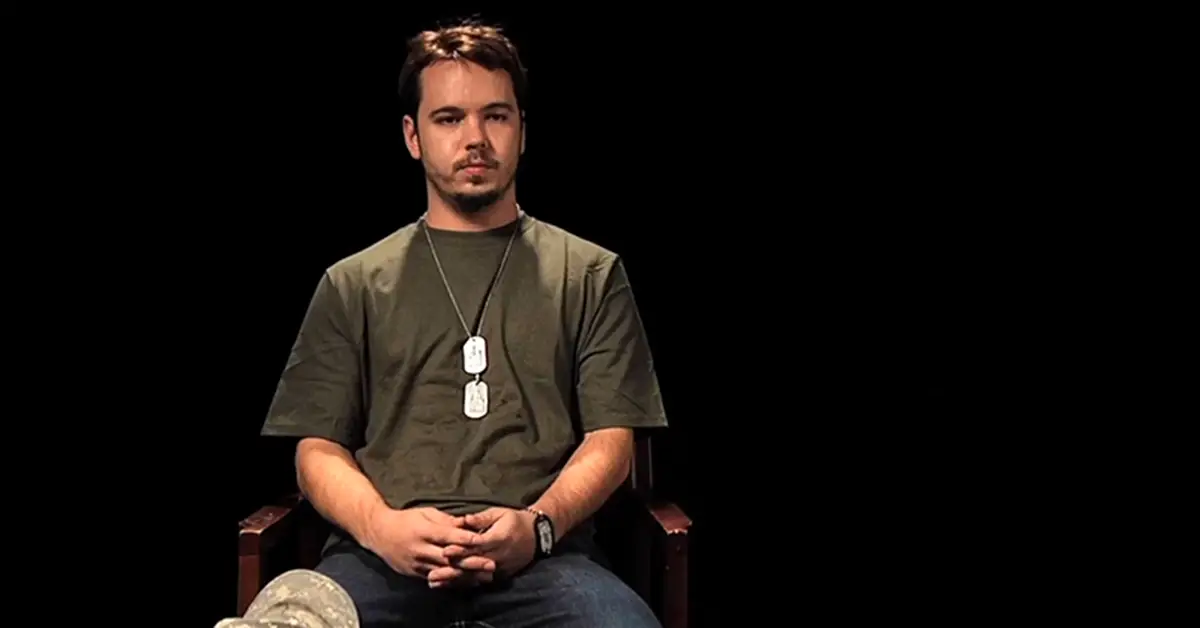
In this new Symptom Media challenge, you’ll watch a 20-second video clipfrom one of our film library simulations. Your mission: spot the key symptoms in 20 seconds or less.Sounds simple? Just wait until you try.
How It Works
- Watch the clip carefully.You’ll have 20 seconds to observe the character’s behavior, mood, and communication style.
- Spot the symptoms.Which stand out to you? Write them down or keep them in mind.
Check your work.After the clip, we’ll reveal the key symptoms and explain what you should have noticed.
Did you spot:
- Restriction of energy intake relative to requirements, leading to a significantly low body weight in the context of age, sex, developmental trajectory, and physical health. Significantly low weight is defined as a weight that is less than minimally normal or, for children and adolescents, less than that minimally expected.
- Intense fear of gaining weight or becoming fat, or persistent behavior that interferes with weight gain, even though at significantly low weight.
- Disturbance in the way in which one’s body weight or shape is experienced, undue influence of body weight or shape on self-evaluation, or persistent lack of recognition of the seriousness of the current low body weight.
Why This Matters
Quickly recognizing and differentiating symptoms is a skill that takes practice and is critical for accurate diagnosis and effective treatment planning. Simulation-based training, like Symptom Media’s film library, gives students and clinicians a chance to build those recognition skills in a safe, engaging way.
Keep Practicing with Symptom Media
This “Spot the Symptom” challenge is just a glimpse into our comprehensive film library, where you’ll find over 600 DSM-5-TR and ICD-10 guided simulations. Perfect for students, educators, and clinicians who want to improve their observation and diagnostic skills.










 Gravida dictum fusce ut placerat orci. In ornare quam viverra orci sagittis. Fermentum dui faucibus in ornare quam. Purus viverra accumsan in nisl nisi scelerisque eu ultrices. Non nisi est sit amet facilisis magna. Nunc consequat interdum varius sit amet. In ornare quam viverra orci sagittis eu. Id diam maecenas ultricies mi eget. Felis imperdiet proin fermentum leo vel orci porta non pulvinar. Praesent elementum facilisis leo vel fringilla est.