
Blog

Top 5 Ways to Fight Student Disengagement
Student disengagement hurts learning and retention. These five evidence-based strategies from active learning to reflection help educators re-engage students and make lessons stick.

From Intro Psych to Abnormal Psych
Symptom Media is your curriculum’s Swiss Army knife, flexible for Intro Psych or advanced courses. Show, discuss, and analyze real symptoms, bridging theory with human experience at any level.

Cognitive Behavioral Therapy (CBT)
From its roots in Beck and Ellis’s work to neuroscience-backed success, CBT continues to evolve proving that changing thoughts can reshape emotions, behavior, and the brain itself.
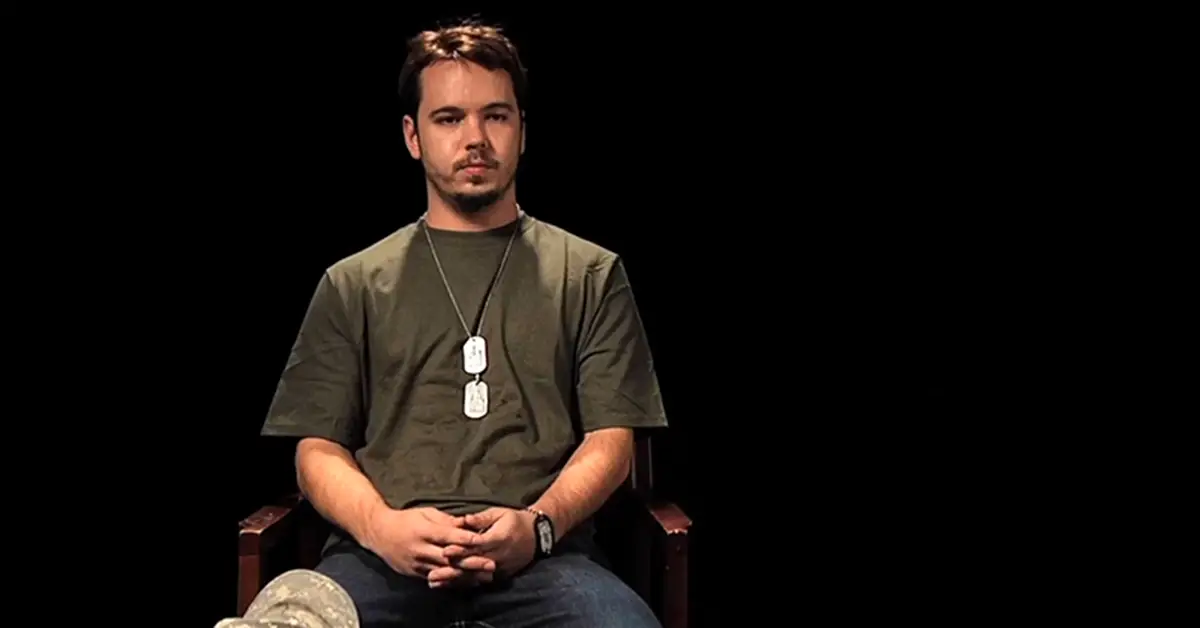
This 30 Second Simulation Can Teach You More Than an Entire Lecture
In just 30 seconds, a Symptom Media simulation can reveal more than an hour-long lecture showing subtle verbal and nonverbal cues that sharpen clinical observation and judgment.

Why the ICD Is More Popular than the DSM-5-TR
The ICD is the world’s shared diagnostic language, shaping global health policy and clinical practice. Learn why understanding it and its link to the DSM matters for every mental health professional.

Improve Your Staff’s Mental Health Training
Transform your team’s mental health training with five proven strategies, realistic simulations, ongoing learning, psychological safety, role relevance, and data-driven growth.

How to Remember Complex Disorders
Most students study the DSM-5-TR and memorize symptoms, but in real life, disorders don’t show up as bullet points. They appear in real people, subtly, emotionally, and often overlapping.

Top 5 Cheat Codes for Mental Health Courses
Here are five evidence-based strategies to help you thrive in your mental health coursework, with a special look at why simulation-based learning is the ultimate shortcut to mastering both theory and practice.